
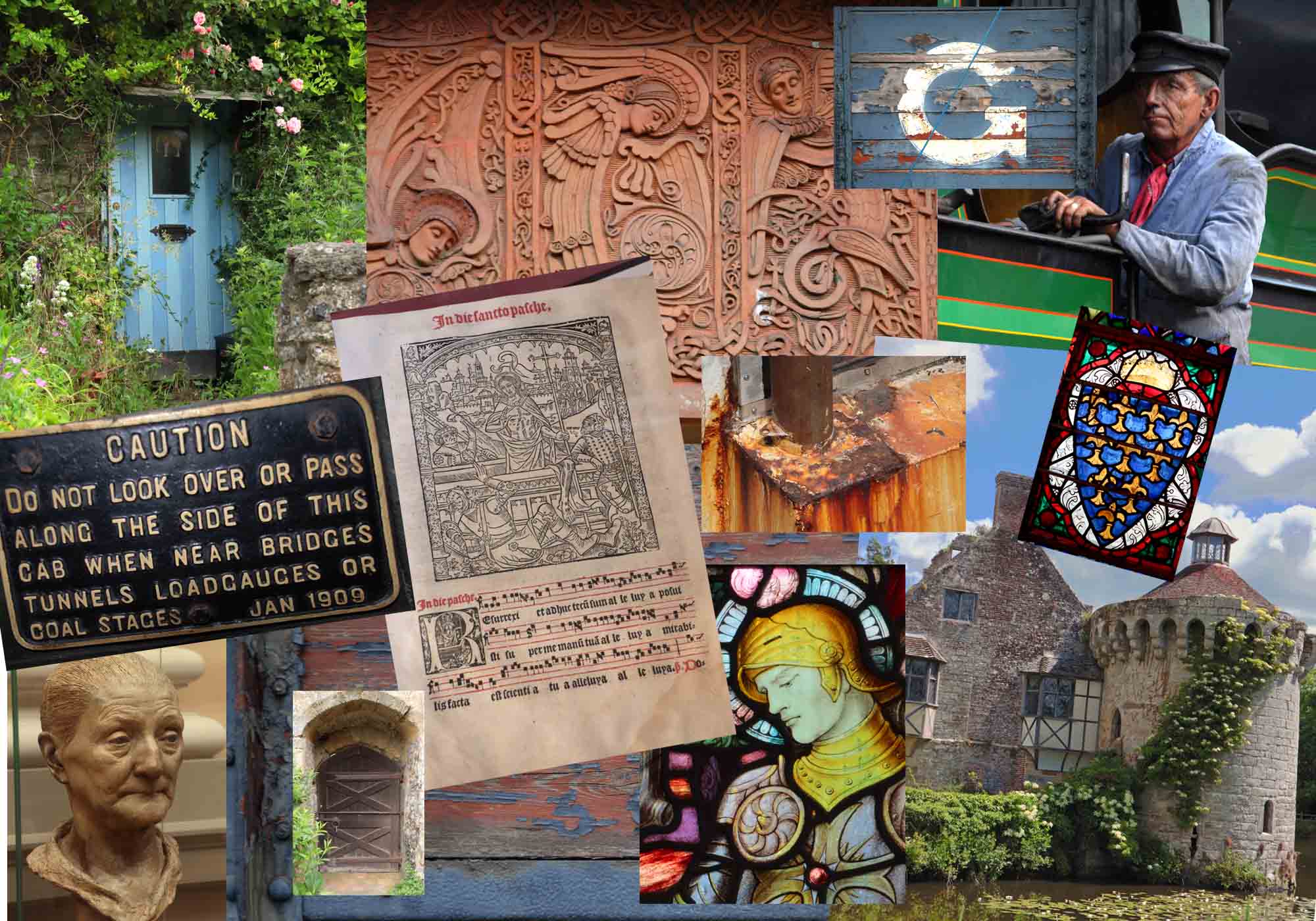
An Obsessive Advantage: Why I Photograph Everything.
All of us carry a phone in our pocket from the moment we get up until the moment we go to bed, which means we carry a camera everywhere we go, and many people use it constantly. Holidays, family gatherings, a particularly good cup of coffee, a cat on a wall, a car we can never afford, a holiday vista, a sunset—we photograph everything. Collectively, around 6 billion photographs are taken worldwide every single day, most of which we’ll never look at again. Yet we keep taking them.
Why? What drives this compulsion to photograph everything when most of these images will never be looked at again?
I think it is because every photograph we take is a small act of defiance against forgetting. We frame a moment, press a button, and tell ourselves we’ve captured it, preserved it, made it permanent. The act itself feels like a promise: this mattered, and I was here. Later, if we ever revisit that image, it can collapse time entirely, transporting us back to that beach, that sunset, that single perfect afternoon. But here’s the thing most people don’t realise: the photograph isn’t the point.
The memory is.
The instant you raise the camera to take the picture, even if you don’t consciously know it, you are trying to ensure you don’t forget. It may be a quick snap, or you may take your time to frame the shot, to notice, to decide what matters enough to keep, but most people take a picture without paying much attention to why they are doing it and how they can make that moment even more memorable. Taking more time is the secret, and we are not talking about extra minutes here, just a few seconds, and once the habit is developed, you can do it without thinking.
My view is that most casual photography is more about memory and the moment than creating a beautiful photograph, and I would go further and say that if an experience has truly got under our skin, the photograph is only the beginning.
Think about how we escalate our engagement with anything we love.
You may read a book that moves you deeply. Later, you discover it’s been made into a film; naturally, you go and see it. If that film or book becomes a theme park attraction, you visit. If you are a Harry Potter fan, even better: you buy the wand, the robes, the replica of the key object from the story. This is why devoted Harry Potter fans don’t just read the books or watch the films. They travel to the Wizarding World, they buy their favourite wand, they drink butterbeer.
They want to get closer. They want to inhabit the experience. They want to be a witch or wizard and go to Hogwarts.
This escalating intimacy with experience is fundamental to how humans process meaning. We don’t just want to recall something that mattered; we want to return to it, touch it, surround ourselves with it, make it part of our physical world.
For most people, a photograph is enough. It’s a memory trigger, safely filed away, and most likely forgotten, but the memory, if it is truly meaningful, never is.
For a writer, memory is everything.
As a writer I am just like those devoted Harry Potter fans, but with photographs. I don’t just photograph the castle doorway and move on. I want to come back. I want to touch the stone. I want to pay attention to how worn or rough the ground is underfoot. I try and notice where centuries of hands may have pushed an ancient door open. I want to smell the damp. I try and imagine who walked through a door, or along a street and why they might have done so. I write stories, and I need raw material to build them from, and that material can best be found in my own memory.
And that is where a camera can become a very effective prompt for memory.
A photographer wants a good image: composition, light, a moment captured beautifully.
As a writer I sometimes want that too, but I mostly want the moment, the thought, the feeling: a story seed to plant and grow later.
When I take a photograph, I’m not just looking, I’m also thinking. I may be looking at the worn patch on a door handle that tells me this entrance was used daily for decades, who came through this door, how long ago. Or I may be looking at an old painting in a gallery: who painted it, who sat for it, what did the sitter think of the picture when it was finished. Or it could be as simple as how rust blooms across old ironwork, how lichen spreads across stone, how shadow pools in a particular corner at three o’clock on a winter afternoon.
But here’s the crucial part: the photograph itself is just the trigger. What matters, what makes the act of taking a photograph so potent for me as a writer, is not the image I have captured, but how I have impressed that moment into my mind, and this mindset for taking photographs can be used by everyone, not just writers.
The next time you take a picture, don’t just frame the shot. Deliberately engage every sense at once. Ask yourself:
What am I thinking as I take this? What caught my attention? Why does this moment feel significant? What story does it tell?
What can I smell? The earth and fresh leaves of summer hedgerows. Damp stone. Old polish and dust. Petrol from a distant road, sun tan lotion, the smell of food.
What can I hear? The silence of an empty courtyard. Birdsong. Traffic rumble. Wind through leaves. The particular creak of an old floorboard.
What does it feel like? Heat radiating from sun-warmed stone. Rough bark. Smooth worn wood. Gravel versus grass underfoot.
The camera forces you to stop, to frame, to pay attention. But it’s this deliberate multi-sensory encoding, this conscious act of noticing everything at once, that imprints the moment far deeper than any photograph ever could. That is the power of photography as leverage for memory.
The real magic, at least for me, comes weeks, months or years later when writing. Those memories can surface unexpectedly, and then I’m not inventing a world; I’m remembering one.